Who Owns LinkedIn? Microsoft (Not Meta or Google), Explained
Samuel Rondot
7 min read
On this page
- LinkedIn ownership: key facts (October 2026)
- Does Meta own LinkedIn?
- Does Google own LinkedIn?
- How Microsoft bought LinkedIn
- Why did Microsoft buy LinkedIn?
- What changed for LinkedIn under Microsoft
- Who runs LinkedIn today?
- Is LinkedIn an American company?
- Who owns the other social networks?
- Using LinkedIn to find clients
- FAQ
Microsoft owns LinkedIn. Microsoft bought it for $26.2 billion in cash ($196 per share), announced the deal on June 13, 2016 and completed it on December 8, 2016. LinkedIn is a wholly owned subsidiary of Microsoft Corporation, run by its own CEO (Dan Shapero since April 2026) under its own brand. Meta (Facebook) and Google have no stake in it.
The confusion is understandable: LinkedIn looks like a social network, and Meta owns most of the big ones. Below are the deal itself, why Microsoft paid that much, who runs LinkedIn today, and who owns the other platforms you use.
LinkedIn ownership: key facts (October 2026)
| Owner | Microsoft Corporation (100%) |
| Acquisition price | $26.2 billion, all cash, $196 per share |
| Announced / completed | June 13, 2016 / December 8, 2016 |
| Founded | 2002, in co-founder Reid Hoffman's living room; launched May 5, 2003 |
| Co-founders | Reid Hoffman, Allen Blue, Konstantin Guericke, Eric Ly, Jean-Luc Vaillant |
| Headquarters | Sunnyvale, California (Microsoft is based in Redmond, Washington) |
| CEO | Dan Shapero (since April 2026), reporting to Microsoft CEO Satya Nadella |
| Members | More than 1.3 billion, in more than 200 countries and territories |
| Revenue | $19.8 billion a year, according to LinkedIn's newsroom |
Sources: Microsoft's 2016 announcement, About LinkedIn, LinkedIn Pressroom and Microsoft's October 2026 leadership update.
Does Meta own LinkedIn?
No. Meta Platforms (the company called Facebook, Inc. until 2021) owns Facebook, Messenger, Instagram, WhatsApp and Threads. It has never owned LinkedIn or any share of it. LinkedIn and Meta are competitors for advertising budgets, and LinkedIn's parent, Microsoft, is a separate company.
Does Google own LinkedIn?
No. Google, a subsidiary of Alphabet Inc., owns YouTube, Android and Gmail, but not LinkedIn. Google was not the buyer in 2016. Microsoft was, and it still is the sole owner.
How Microsoft bought LinkedIn
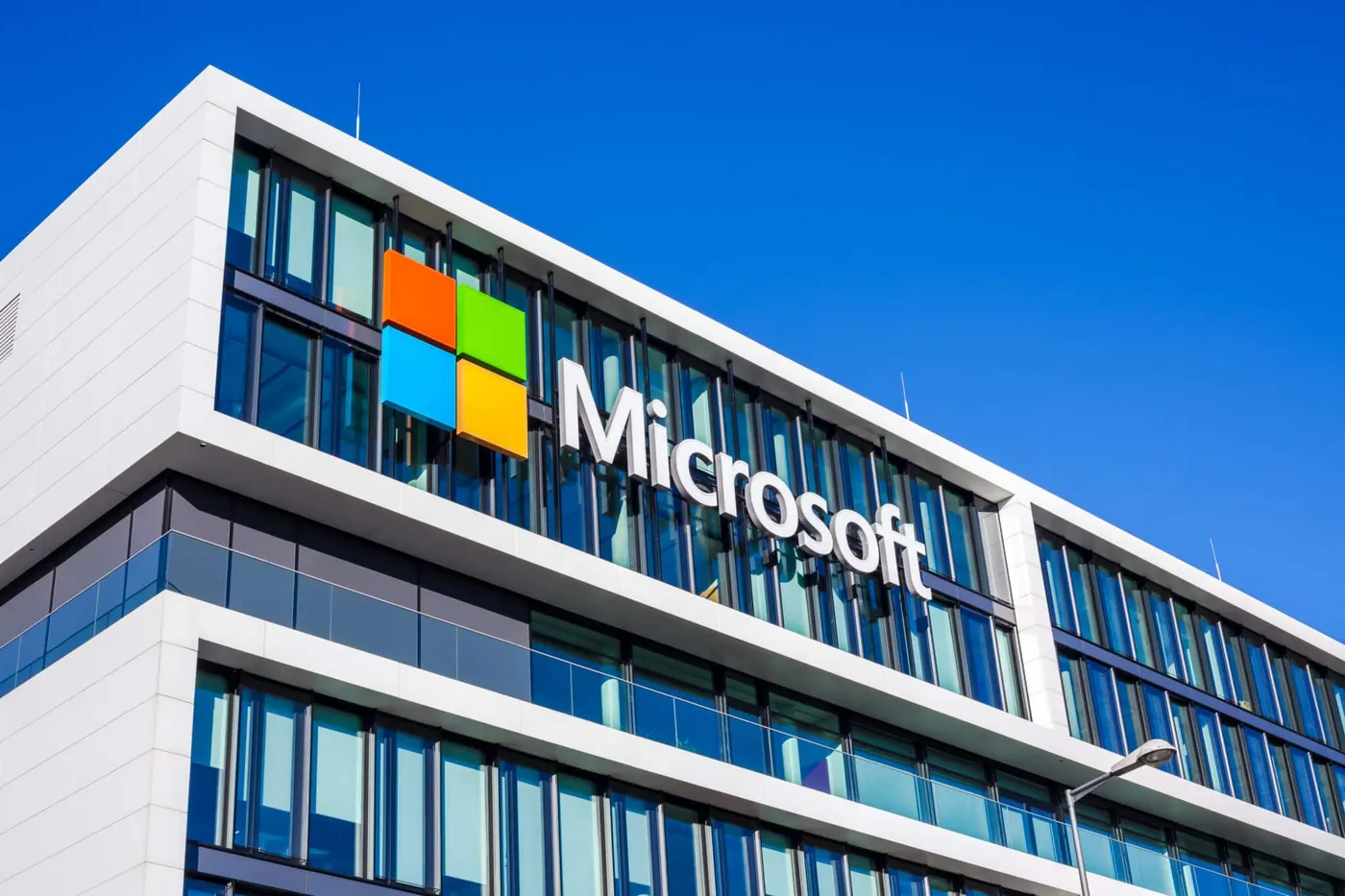
On June 13, 2016, Microsoft announced it would acquire LinkedIn for $196 per share in an all-cash transaction valued at $26.2 billion, including LinkedIn's net cash. Microsoft financed the purchase mainly by issuing new debt, and the deal closed on December 8, 2016. (Some old articles say Microsoft "spent $26 million". That's wrong by a factor of a thousand: it was $26.2 billion.)
The terms Microsoft put in its press release still describe how LinkedIn works today:
- LinkedIn "will retain its distinct brand, culture and independence".
- Its CEO at the time, Jeff Weiner, stayed on and reported to Satya Nadella.
- LinkedIn kept its own product, sales teams and paid plans (Premium, Sales Navigator, Recruiter, LinkedIn Learning).
At the time, LinkedIn had "more than 433 million members". It was Microsoft's biggest acquisition ever until Microsoft closed its $68.7 billion purchase of Activision Blizzard in October 2023. LinkedIn is now Microsoft's second-largest deal.
Microsoft's biggest acquisitions
| Company | Price | Closed |
|---|---|---|
| Activision Blizzard | $68.7 billion | 2023 |
| $26.2 billion | 2016 | |
| Nuance Communications | $19.7 billion | 2022 |
| Skype (retired in May 2025, replaced by Teams) | $8.5 billion | 2011 |
| GitHub | $7.5 billion (in stock) | 2018 |
| Mojang (Minecraft) | $2.5 billion | 2014 |
Why did Microsoft buy LinkedIn?
The stated goal was to bring together "the world's leading professional cloud" (Office 365, Dynamics) and "the world's leading professional network", as LinkedIn's About page still puts it. Microsoft's press release said the deal would "accelerate the growth of LinkedIn, as well as Microsoft Office 365 and Dynamics". In practice, LinkedIn brought three things Microsoft didn't have:
- A live directory of professionals. Hundreds of millions of profiles kept up to date by their owners: job titles, employers, skills and relationships. Nobody else had that data at that scale.
- Recurring revenue from businesses. LinkedIn earns money from recruiting tools, Premium subscriptions, Sales Navigator, ads and LinkedIn Learning, all sold to the same companies that buy Microsoft 365.
- A daily reason to use Microsoft outside Windows and Office. Feeds, messaging and job search keep professionals coming back.
Microsoft also bought at a moment when LinkedIn was cheaper than it had been. On February 5, 2016, LinkedIn's stock fell about 43% in a single day after a weak revenue forecast, wiping out roughly $11 billion of market value. Four months later, Microsoft made its offer.
What changed for LinkedIn under Microsoft
Microsoft kept its promise of independence: LinkedIn still has its own brand, app and rules. The ties you can actually see are these:
- Microsoft 365 integration. Outlook, Teams and other Microsoft 365 apps can show a person's LinkedIn information on their profile card (Microsoft Support).
- Growth. LinkedIn went from about 433 million members in 2016 to more than 1.3 billion, and Microsoft reported LinkedIn revenue up 12% year over year in the quarter ended June 30, 2026 (Microsoft FY26 Q4 results).
- Data and AI. Since November 3, 2025, LinkedIn can use profile data and public content to train its content-generating AI models in more regions, private messages excluded (LinkedIn Help). You can opt out with the Data for Generative AI Improvement setting under Settings & Privacy > Data privacy. The same update lets LinkedIn share more data with Microsoft to personalize ads in some regions.
If you use LinkedIn for work, the practical rules didn't change because of Microsoft. LinkedIn still sets its own limits on invitations and messages, its own account types and its own privacy options, such as private mode.
Who runs LinkedIn today?
LinkedIn has its own CEO inside Microsoft:
- Jeff Weiner: CEO from 2009 to June 2020, then executive chairman.
- Ryan Roslansky: CEO from June 2020 to April 2026. In 2025 he also took charge of Microsoft Office as an executive vice president, then handed the LinkedIn CEO role to Dan Shapero. On October 1, 2026, Microsoft announced he is leaving and will stay on as an advisor to Satya Nadella until the end of 2026.
- Dan Shapero: CEO since April 2026. He was LinkedIn's chief operating officer from 2021, and he reports directly to Satya Nadella.
Reid Hoffman, the lead co-founder, was LinkedIn's chairman and controlling shareholder when Microsoft bought the company, and he backed the sale.
Is LinkedIn an American company?
Yes. LinkedIn was founded in California and is still headquartered in Sunnyvale, California. Its parent company, Microsoft, is headquartered in Redmond, Washington. LinkedIn has offices in more than 36 cities and is available in 36 languages, but it remains a US company owned by a US company.
Who owns the other social networks?
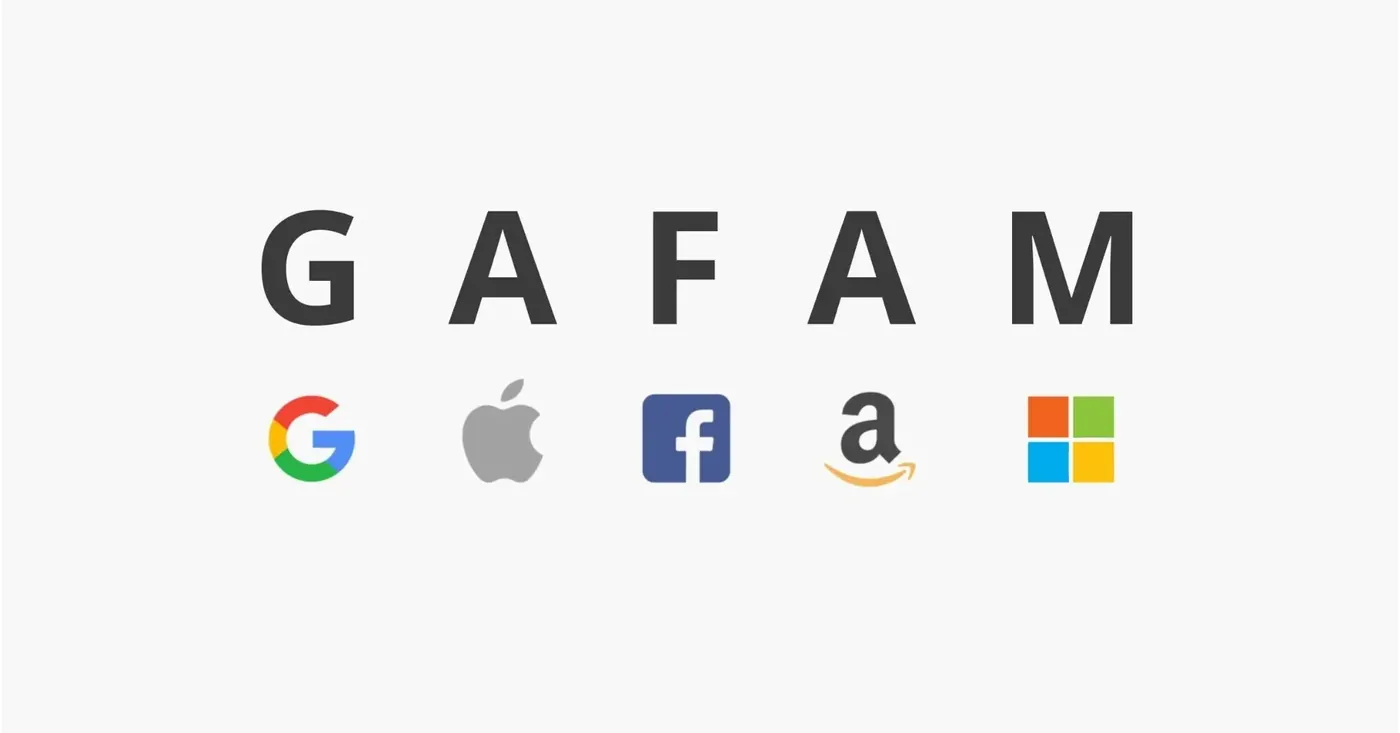
In Europe, the five tech giants are often called the GAFAM: Google, Apple, Facebook (now Meta), Amazon and Microsoft. LinkedIn belongs to the "M". Here's who owns the major platforms as of October 2026:
| Platform | Owner | How it got there |
|---|---|---|
| Microsoft | Acquired in 2016 for $26.2 billion | |
| Facebook, Messenger | Meta Platforms | Built in-house (Facebook launched in 2004) |
| Meta Platforms | Acquired in 2012 for about $1 billion | |
| Meta Platforms | Acquired in 2014 (announced at $19 billion) | |
| Threads | Meta Platforms | Launched by Meta in 2023 |
| YouTube | Google (Alphabet) | Acquired in 2006 for $1.65 billion in stock |
| TikTok | ByteDance (China) | In the US, run since January 2026 by the TikTok USDS joint venture, in which ByteDance keeps 19.9% |
| X (formerly Twitter) | Elon Musk's companies | Bought in 2022 for $44 billion, merged into xAI in 2025, part of SpaceX since February 2026 |
| Snapchat | Snap Inc. | Independent, publicly listed |
So no: LinkedIn, Facebook and Instagram don't share an owner. Facebook, Instagram and WhatsApp belong to Meta. LinkedIn belongs to Microsoft.
Using LinkedIn to find clients
Who owns LinkedIn matters less than knowing how to use it. If you prospect on LinkedIn, start with the basics: what 1st, 2nd and 3rd mean on a profile, whether Sales Navigator or Premium fits your needs, and how read receipts show whether your messages got read.
When you're ready to scale, useArtemis exports leads from LinkedIn and Sales Navigator searches with its LinkedIn scraper, finds their verified work emails, and runs LinkedIn + email sequences at a safe, human pace. Plans start at $69 per month (see pricing).
FAQ
Does Meta own LinkedIn?
No. Meta owns Facebook, Instagram, WhatsApp, Messenger and Threads. LinkedIn has belonged to Microsoft since December 2016, when Microsoft completed its $26.2 billion acquisition. Meta has never held a stake in LinkedIn.
Does Google own LinkedIn?
No. Google (Alphabet) owns YouTube and Android but has no ownership in LinkedIn. Microsoft is LinkedIn's sole owner.
Does Outlook own LinkedIn?
Outlook doesn't own anything: it's an email app. Outlook and LinkedIn are both owned by Microsoft, which is why Outlook can show LinkedIn information on a contact's profile card.
Who is the CEO of LinkedIn?
Dan Shapero has been LinkedIn's CEO since April 2026. He succeeded Ryan Roslansky (CEO from 2020 to 2026) and reports to Microsoft CEO Satya Nadella.
How much did Microsoft pay for LinkedIn?
$26.2 billion in cash, or $196 per share. The deal was announced on June 13, 2016 and completed on December 8, 2016. It's Microsoft's second-largest acquisition after Activision Blizzard.